London Ambulance Service is bolstering its response to patients suffering a mental health crisis with a new team of specialists in the capital.
The number of patients seen by the country’s busiest ambulance service or mental health support has almost doubled over the past three years with LAS attending 99,287 mental health related calls in the year to 31 January 2026. More than two million people living in the city are reported to experience poor mental health every year.
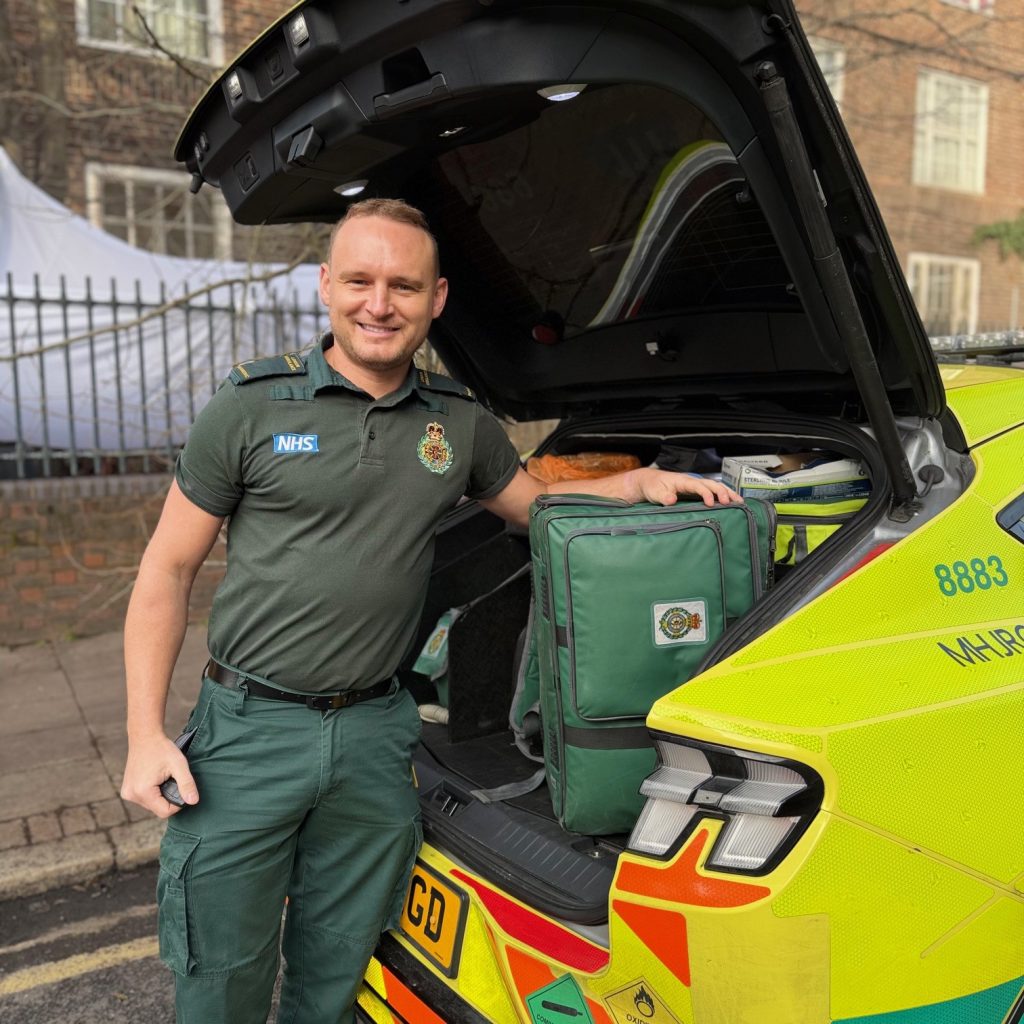
In a first for the capital, four of these specialist clinicians are being deployed to care for this growing number of patients. They are sent in a car to patients with the most complex mental health conditions, such as those at risk of suicide.
With additional skills and training and significant experience as paramedics, they can provide a more in-depth assessment of patients experiencing a mental health crisis.
Their training means they can better consider other relevant information such as physical, medical and social factors that affect mental health including social isolation, trauma responses, substance abuse, medication issues and sleep deprivation.
The move to increase training for these specialist paramedics follows the success of the Mental Health Joint Response teams, where paramedics are teamed with a mental health practitioner to care for people’s mental and physical health conditions.
Carly Lynch, Consultant Nurse for Mental Health at London Ambulance Service, said:
“The number of Londoners experiencing a mental health crisis has significantly increased and their needs can be incredibly complex.
“I’m pleased that our clinicians are developing even more specialist skills to care for our patients in crisis. This means we can provide a much more tailored response to patients with acute mental health conditions.
“Working in partnership with universities like City and St George’s, we’re ensuring that our crews have the breadth of skills and knowledge to provide the best care for the nine million people of London. Our crews are always here for them.”
Individuals with severe mental illness have a life expectancy 15 to 20 years shorter than the general population and are more likely to have a physical health condition.
The new specialist medics will also spend time in the Service’s 999 control room assessing mental health calls to decide which patients might need the life-saving care of one of their colleagues.
LAS Paramedics Kevin Jones and Charlotte Benson are among the clinicians training for this new role.
Kevin said:
“Developing advanced skills in mental health will allow me to care for people with both physical and mental health needs during times of crisis across London.
“Mental health is something I’ve been passionate about since becoming a paramedic, and I find the work genuinely rewarding.
“It’s important to involve patients in decisions about their care, advocate on their behalf, and link them into the right community services when they need ongoing support.”

Charlotte said:
“This is an exciting opportunity to incorporate my enthusiasm for patient care in an incredibly diverse city like London whilst building on my existing experience caring for some of the most vulnerable people in the capital.
“I am incredibly passionate about ensuring that every patient experiencing a mental health crisis receives the best possible outcomes.
“The training is helping to shape me into a confident practitioner who embodies advanced clinical skills, leadership, education and research.”
Over the last decade London Ambulance Service have increased its mental health team and now have experienced nurses, social workers and occupational therapists working in the control room and our mental health joint response cars.
Since 2020, the joint response cars have attended over 39,000 patients in a mental health crisis. Most recent data shows that only 14% of patients seen by the team were taken to an emergency department.
This response provides the patient with a better experience in their own home, ensure that ambulances are available for other life-threatening emergencies and supports our colleagues in busy emergency departments.
If you need urgent care for your mental health, get help from NHS 111 online or call 111.
You can read more about working for us and our current vacancies here.
ENDS
Notes to Editors
London Ambulance Service records mental health related activity based on triaged 999 calls and information recorded by ambulance crews. The need for a face-to-face response has almost double in the last three years.
| Date | Mental health face to face response |
| 1 Feb 22 – 31 Jan 23 | 52,753 |
| 1 Feb 23 – 31 Jan 24 | 60,997 |
| 1 Feb 24 – 31 Jan 25 | 84,314 |
| 1 Feb 25 – 31 Jan 26 | 99,287 |