London Ambulance Service achieves best response times for December in five years – but 999 calls are on the rise after holiday season
London Ambulance Service reached sick patients faster in December than in any Christmas period since 2020.
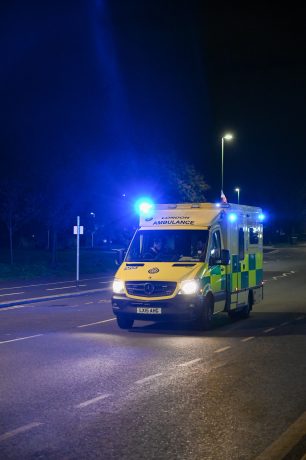
Response times for people with a life-threatening condition, such as those who had stopped breathing, were 45 seconds faster on average, while those with serious medical emergencies like heart attacks or strokes were reached by ambulance crews more than 17 minutes faster, according to figures published today (Thursday 15 January).
The improvement came despite receiving a comparable number of 999 calls in both December 2024 and 2025 – around 195,000. It followed some of the most thorough planning for winter with NHS partners in the organisation’s history.
Nearly one in four patients (22.9%) were treated over the phone to free up ambulances and more people were rostered on ambulances and in our 999 and 111 control rooms.
However, this week, the country’s busiest ambulance service saw 999 calls climb to around 7,000 a day – volumes usually seen on New Year’s Eve. Part of the increase was respiratory illnesses as Londoners returned to work and school.
Jason Killens, Chief Executive at London Ambulance Service, said:
“Our people worked incredibly hard over the festive season to bring down our response times and get to those who need us as quickly as possible.
“Thanks to our winter planning with London healthcare partners, innovative use of technology and more clinicians caring for patients, we have been able to focus our efforts and make improvements in the care we offer to Londoners, despite some of our busiest weeks.
“However, we are not complacent and there is more work to be done to further improve our performance and we recognise the wider urgent and emergency care system is still facing significant pressure.”
This week London Ambulance Service remained busy taking around 7,000 calls a day on Monday and Tuesday compared to a typical day of 5,500. Cold temperatures exacerbated health conditions and respiratory illnesses with several hospitals around the country declaring critical incidents.
Mr Killens re-iterated calls for people to get vaccinated against flu and renewed appeals to save 999 for emergencies. He said:
“The uptake of vaccines has likely helped us achieve our improved response times. Given flu is still circulating in the community, I would encourage all eligible Londoners who haven’t yet been vaccinated to book an appointment or visit a walk-in site as soon as possible to protect themselves and those around them.
“I would also urge Londoners to continue to use us wisely and only call 999 in a life-threatening emergency. Please contact your GP, pharmacy or NHS 111 online if you need urgent medical advice.”
London Ambulance Service had been working closely with partners in the capital since the summer – earlier than ever before – to plan a city-wide approach to winter.
The resulting Winter Plan included:
- Putting 460 ambulances out on the road during peak demand.
- More clinicians providing clinical advice, supporting and treating patients over the phone to avoid busy emergency departments.
- Working closely with hospitals to reduce delays handing over patients who have been taken to emergency departments and freeing up our ambulance crews and clinicians to respond to the next 999 call.
Follow us on social media: