Death threats, racism, misogyny: London Ambulance Service reveals reality of daily abuse suffered by people in our 999 and 111 control rooms.
Around half the staff working in London Ambulance Service’s 999 and 111 control rooms have experienced verbal abuse, threats or personal attacks over the phone by patients or their friends and relatives.
The stark figures released today (Monday) show that 54 per cent of 999 call handlers and 48 per cent of their 111 colleagues have been harassed, threatened and verbally abused in the past year. Of those reporting abuse, some experienced it repeatedly with one in five facing abuse on more than ten occasions.
In addition, a quarter of all control room staff experienced unwanted sexual behaviour such as offensive or inappropriate sexualised comments from the public.
Abuse has remained persistently common for years, but saw modest declines in recent years until 2024 when the total of LAS staff experiencing abuse and harassment rose 5% to 34%
In recent weeks, London Ambulance Service launched a new campaign: All we want for Christmas is… RESPECT. It calls on the public to show respect to those caring for them – both on the road and over the phone.
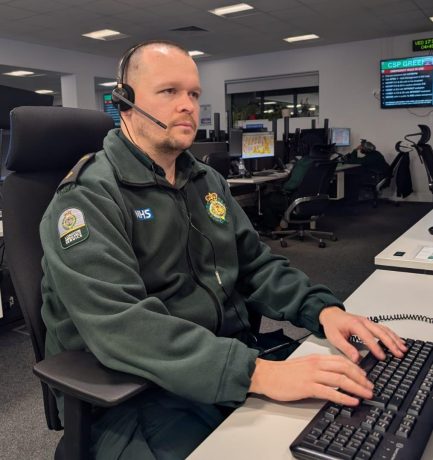
Our staff are shining a light on the shocking abuse they experience from among the thousands of calls they receive every day.
Emergency Call Co-ordinator Jude Rodman-Cole has experienced aggression both answering the phones and, more recently, seen the impact on his team now he is a manager. He said:
“I’ve heard all sorts of disgusting abuse in the past few weeks alone. A member of the team was told ‘I hope your parents die’ around the anniversary of her mother’s death, or women being told they are ‘a jezebel’ or ‘dumb’ and ‘stupid’, and colleagues with an accent being told to ‘go back home’.
The psychological impact affects individuals differently. Some need to take a short break after an especially abusive call. But for others the cumulative impact takes a toll on their mental health.
Jude added:
“We understand that potentially a caller is having the worst day of their life. Our staff are trained to deal with that – to bring someone back to a level where we can arrange help. But some of what we have to deal with is completely unacceptable.
“We see sickness due to stress and anxiety, and abusive calls are definitely a big cause of that. It’s so frustrating as we are just trying to help people. It affects our ability to help the rest of London and it shouldn’t be like this.”
Lykeisha Brown-Flynn, a 111 health advisor based at Croydon, loves her job and her colleagues. But she has experienced racial and other abuse, usually when she has to tell callers that their condition does not need an ambulance response and she directs them to other health services.
She said:
“Recently a patient was not happy with the outcome of an assessment and became racially abusive. It made me sad that I was trying to help someone who could speak to me in such a derogatory way, especially when I had explained the service is busy at the moment and there was nothing more I could do.
“We are only trying to help people and do not deserve abuse for simply trying to do our jobs. We are all human and there should be no place for racism in today’s society.”
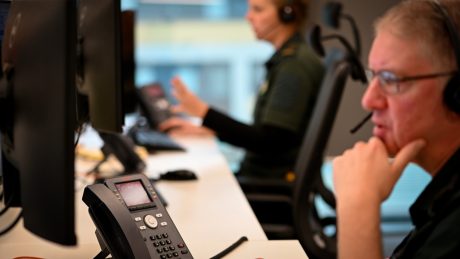
Deputy Director of 999 Operations Laurence Cowderoy urged callers to behave respectfully to control room staff.
He said:
“We will not tolerate abuse against our staff. The questions we ask and the details we double-check are essential to ensure callers get the right help as quickly as possible. While we know the vast majority of callers are respectful and appreciate the work we do, we urge everyone to think of the impact of their words.
“Every minute our call handlers spend dealing with aggression, racism, or death threats is time taken away from patients with life-threatening problems who urgently need our help.”
London Ambulance Service was the first ambulance service in the country to set up a Violence Reduction Unit to support colleagues to report crimes. It works closely with police to pursue abusers and bring prosecutions where a crime has been committed.
Follow us on social media: