What happens when you call 999
We explain what happens when you call 999, what information you will need, and how you can be prepared if we dispatch emergency resources.
When you call 999, an operator will ask you which emergency service you need.
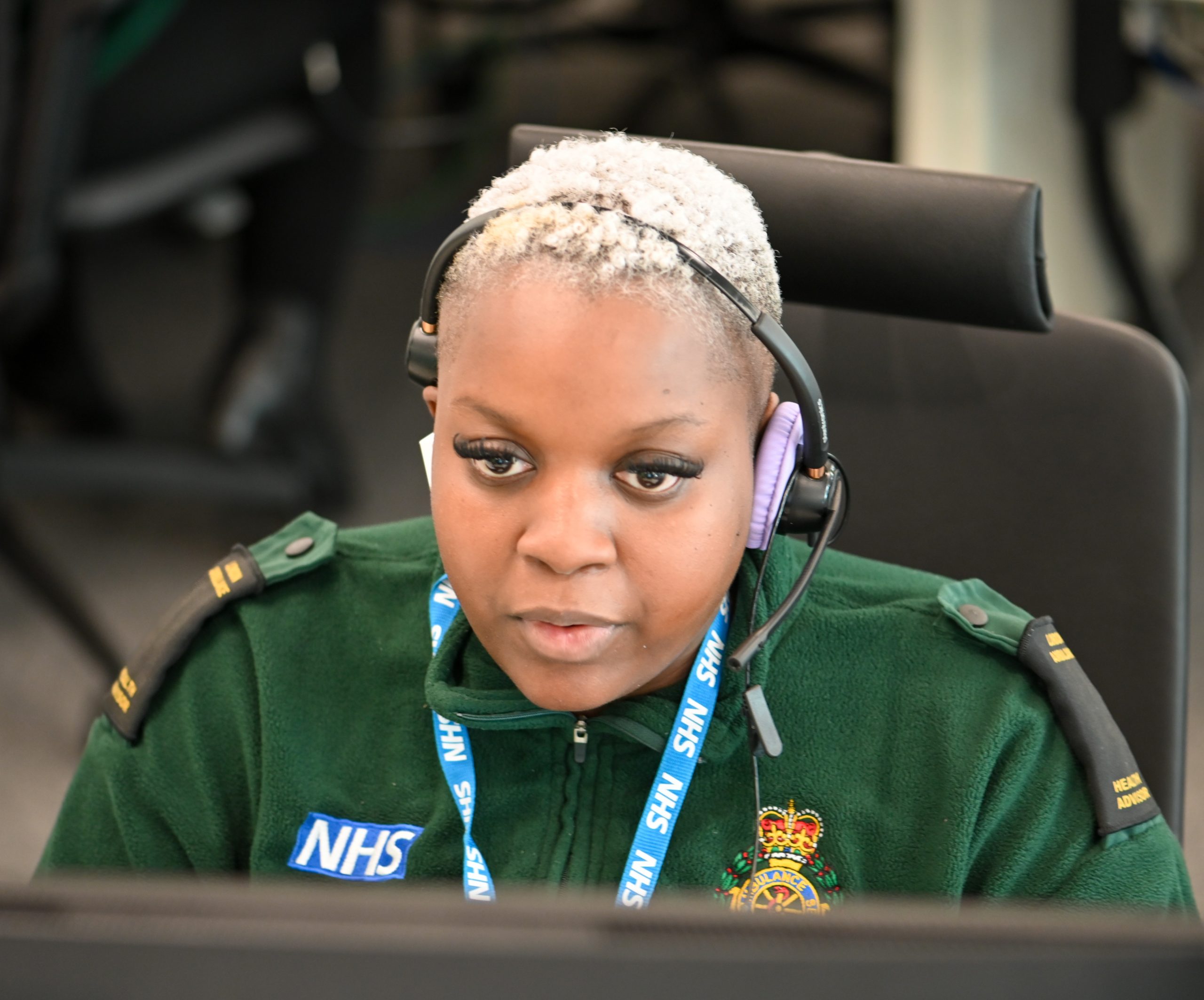
In a medical emergency, ask for the ambulance service and you will be put through to one of our call handlers who will ask for specific information to help ensure you receive the right care.
What information will I need when I call 999?
When you call 999, the call handler will ask you some questions.
They will want to know things like:
- the location of the emergency (for example, the postcode or any landmarks)
- what has happened (the main symptom or reason for the call)
- whether the patient is awake/conscious, breathing and if there is any serious bleeding or chest pain
- your contact number (in case they need to call you back)
If you are told you will get a call back, make sure there is someone there to answer.
Answering these questions will not delay us, but it will help us to give you important first aid advice while our crews are on their way.
The extra information also helps us to make sure you get the most appropriate help.
Watch what happens when you call 999
Who will treat me?
As soon as we have enough information from callers and have assessed whether the patient requires immediate medical treatment, we will send help.
Depending on the emergency, we may decide that the best option for you is a call back from one of our clinicians.
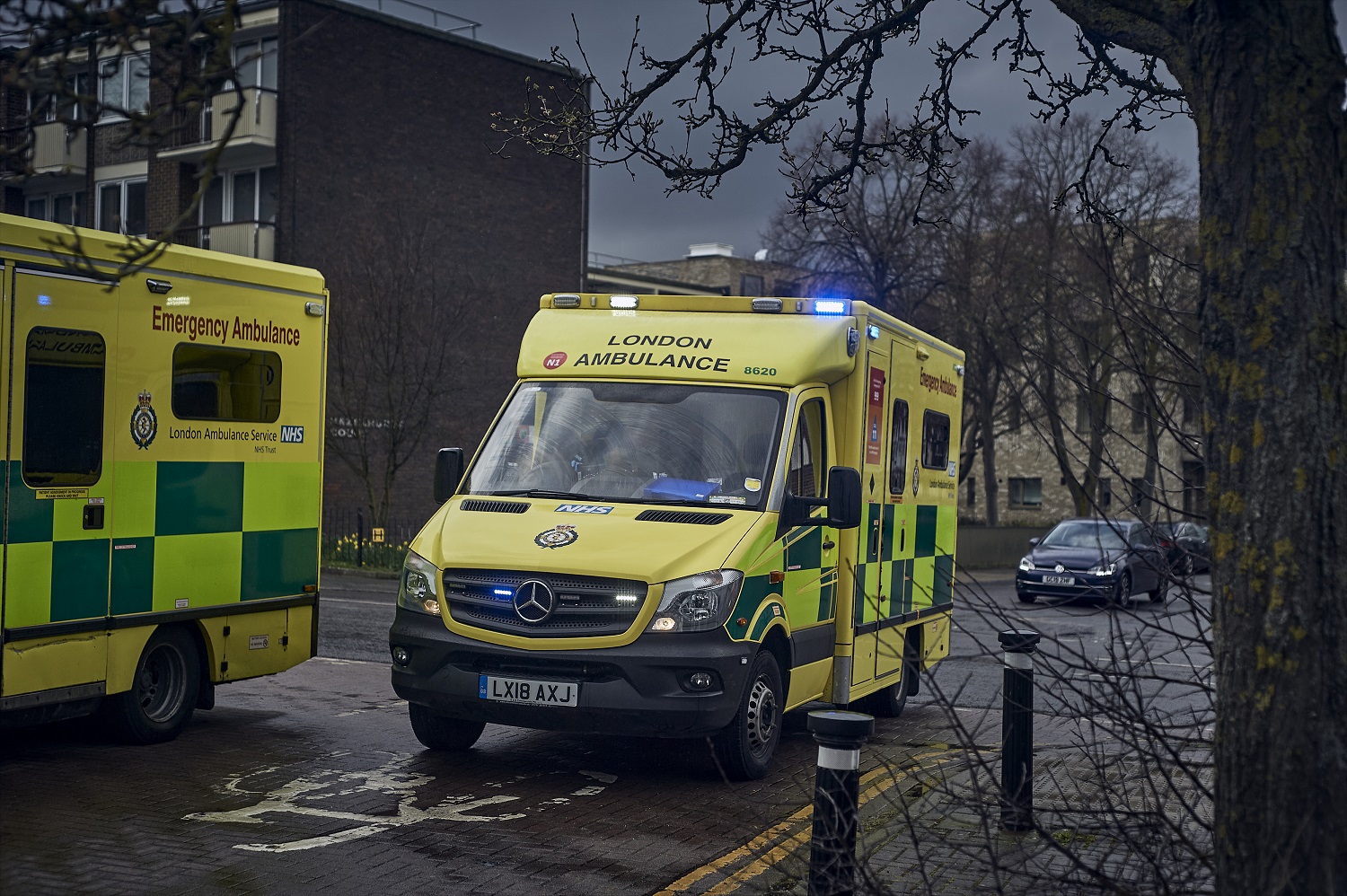
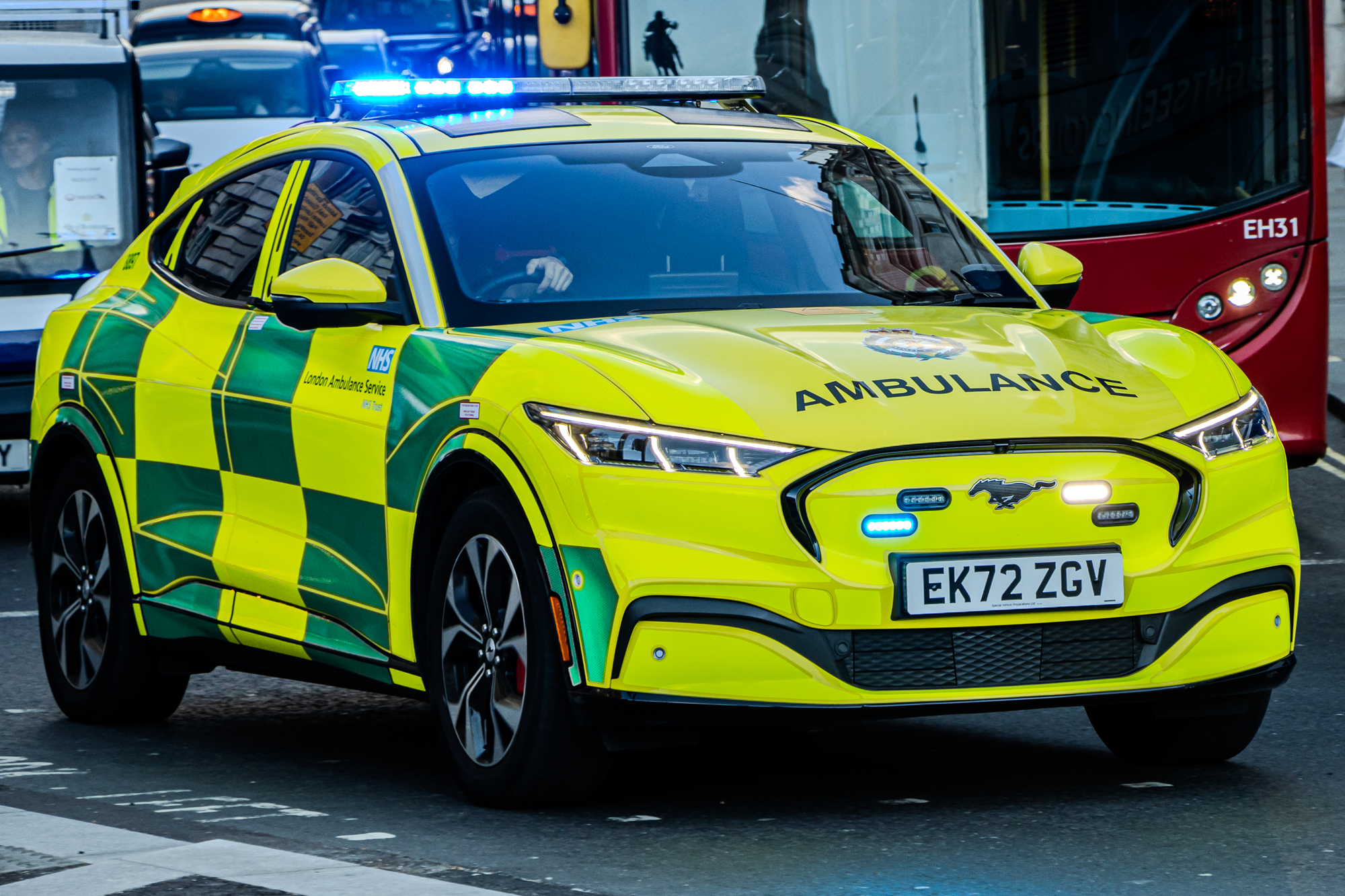
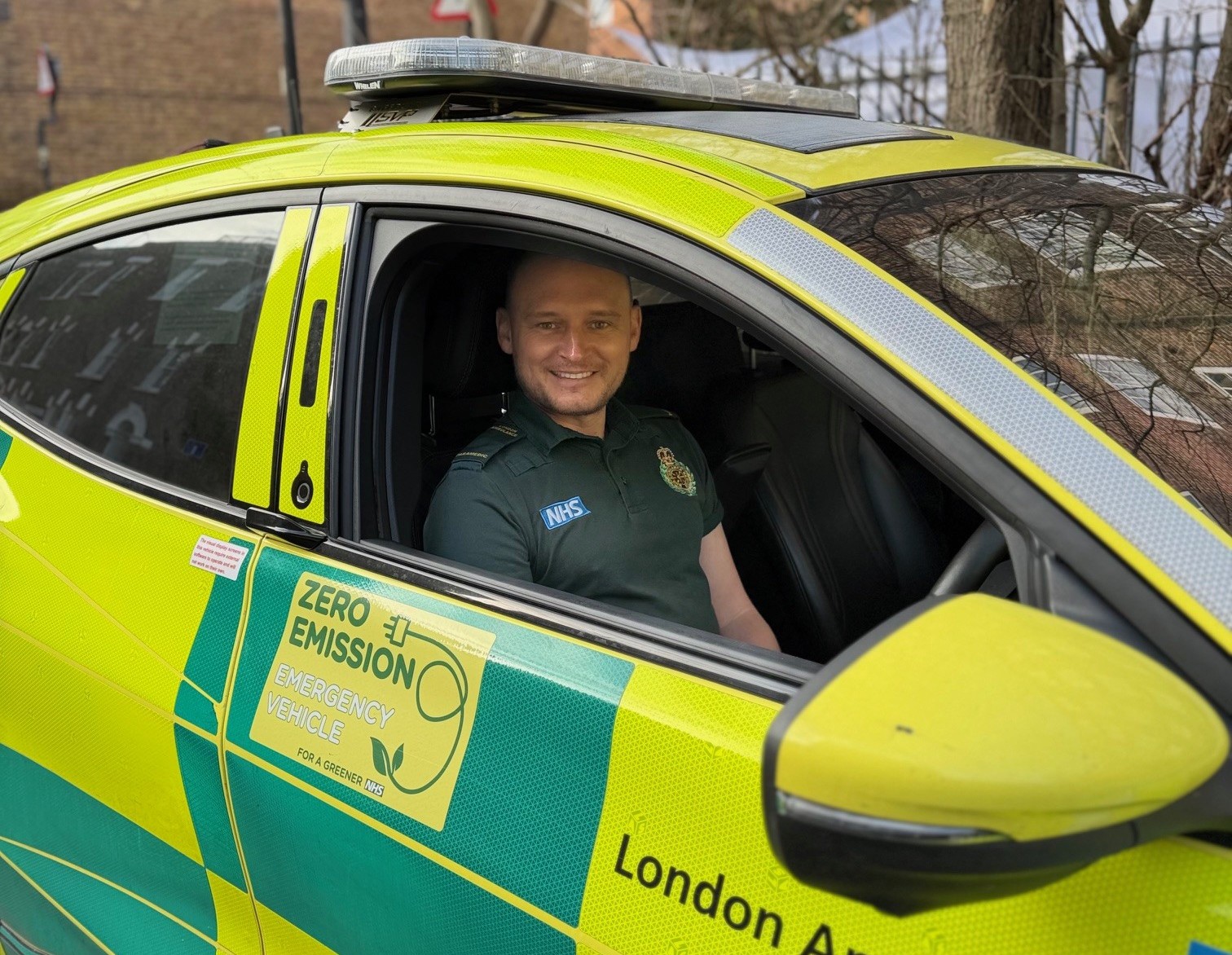
In life-threatening emergencies, people often expect an ambulance with two people to arrive, but you could also be treated by one of our single responders who arrives by car, motorcycle or bicycle.
What can I do before help arrives?
Before help arrives, you can take these steps to help us:
- stay with the person until help arrives
- if you’re in a dark house, turn on lights and open curtains
- if you’re in a car, turn on the hazard lights
- call 999 again if the person’s condition changes
- call 999 again if your location changes
- lock away family pets
- write down the person’s GP details and collect any medicine they’re taking, if you can
- tell the paramedics about any allergies the person has, if you know
How can I be prepared for an emergency?
There are things you can do today to help us in the future.
- Check that your house number can be seen from the road.
- If you live on an estate, check there is a clear sign to direct emergency services and that all lifts are working
- If it’s dark outside turn on lights to help our staff to find you quickly
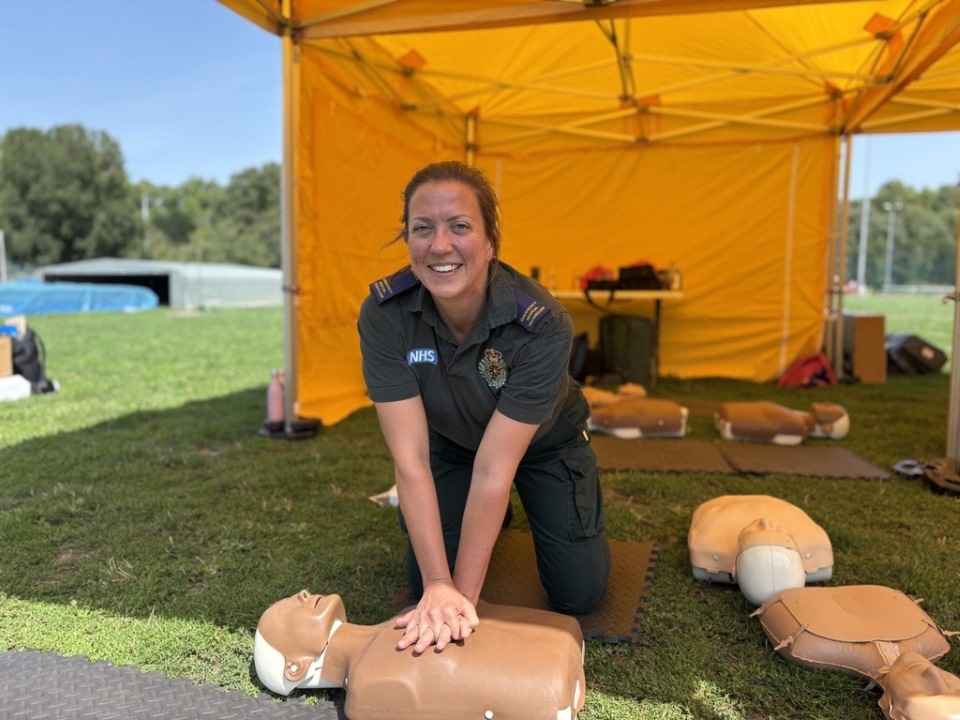
You can also prepare for an emergency by knowing the signs of a heart attack or stroke, and learning life-saving first aid skills.