Emergency trauma advice
Trauma happens when your body suffers a wound from physical injury. When your body suffers multiple wounds or serious injuries that could result in death or serious disability, it is known as major trauma.
Major trauma and when you to call 999
Some examples of incidents that could lead to major trauma include: serious road traffic accidents, stab or gunshot wounds, falls from height, and serious head injuries.
If you think you, or someone you know is suffering from major trauma you need to call 999 for an ambulance immediately.
If we believe you are suffering from major trauma we will get to you as soon as possible. In some cases London’s Air Ambulance, staffed by a doctor and an experienced paramedic, will also be sent to you.
Bystander bleed control
Bleeding can occur after many different types of injury. These include accidental injuries, such as falls or road traffic collisions, knife or gun violence, terrorist events and other major incidents.
If bleeding is severe, rapid blood loss can lead to death within minutes. The actions of bystanders to stop bleeding can be critical in saving lives.
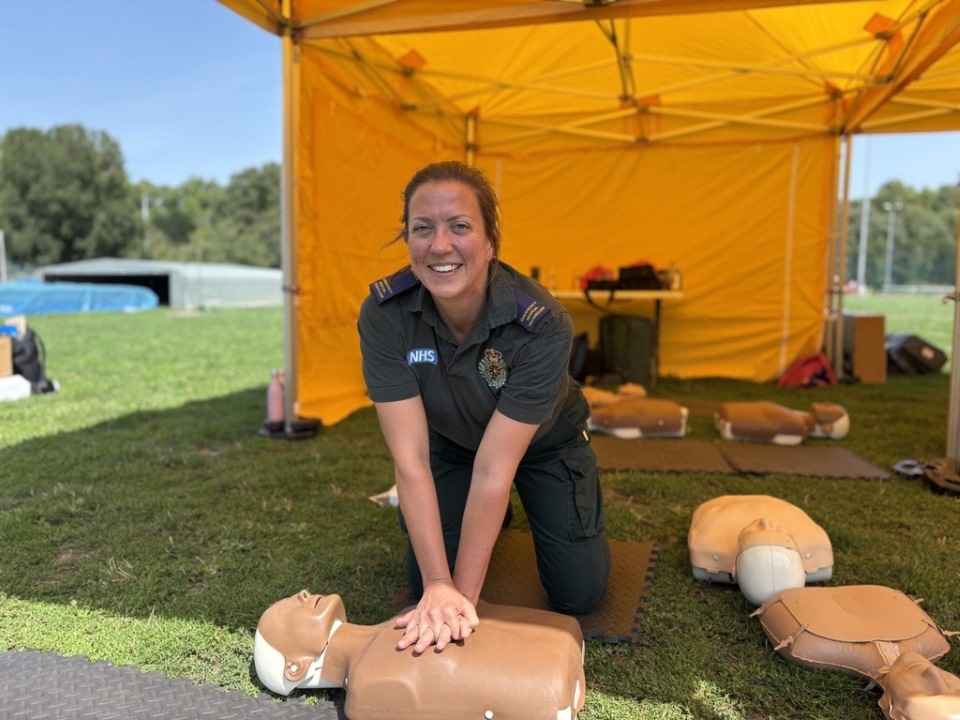
The most important and effective thing a bystander can do is to apply continuous direct pressure to the site of bleeding. If it is safe to do so:
- Use strong manual force to apply a wad of any available material directly onto the bleeding area. A tea towel, face cloth, item of clothing (t-shirt) similar material can be used.
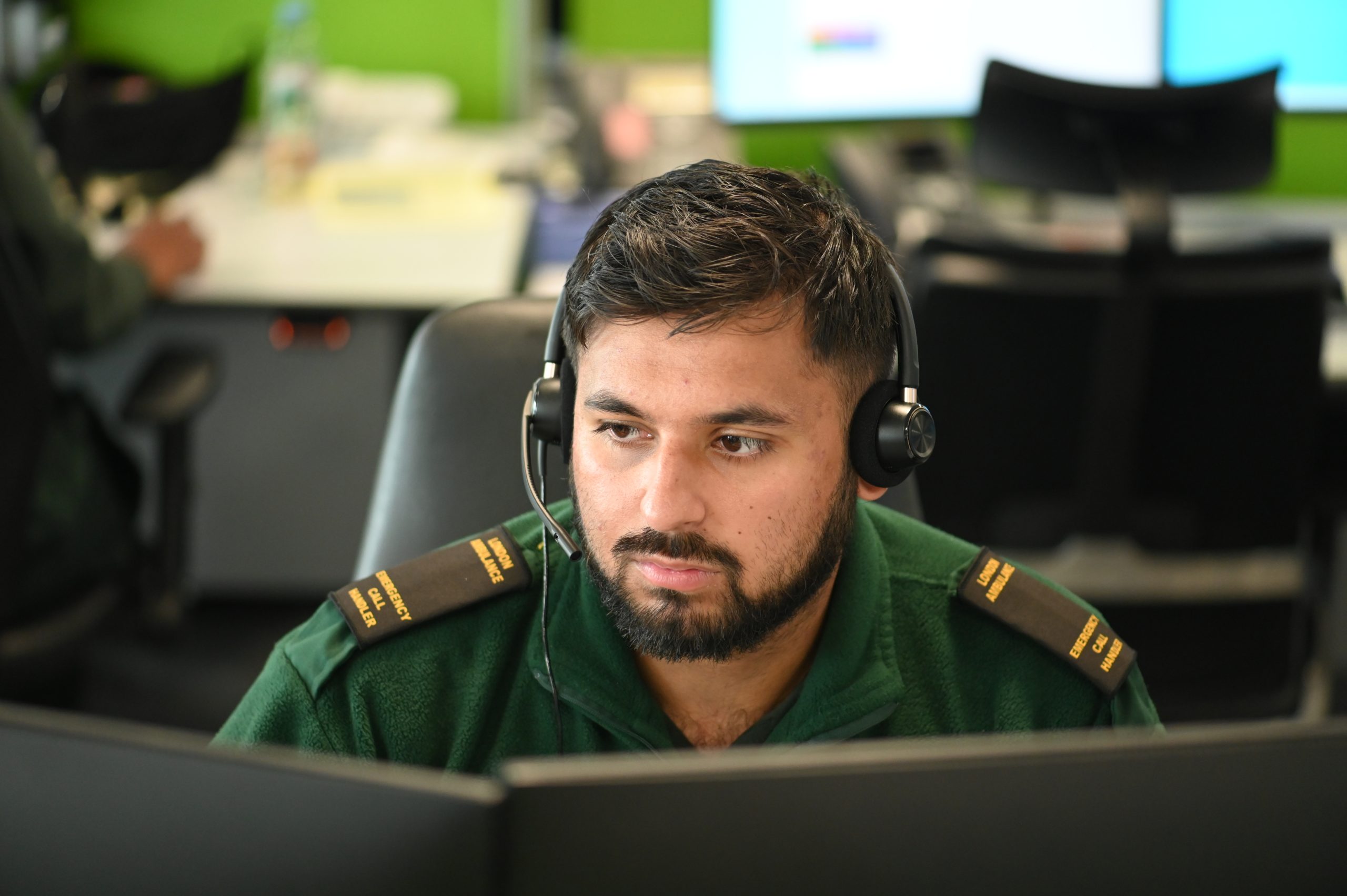
- Call 999. The emergency call handler will provide further directions to assist you.
- Apply pressure continuously until emergency medical services arrive.
Our joint position statement on bystander bleed control
We have published a joint position statement on what bystanders should do in these situations.
Where you will be taken
If you are suffering from major trauma our clinicians may take you to a major trauma centre for specialist treatment, sometimes bypassing the nearest hospital.
There are currently four major trauma centres operating in London.
- The Royal London Hospital
- St George’s Hospital
- King’s College Hospital
- St Mary’s Hospital
Treatment at a major trauma centre
At a major trauma centre you will have access to senior, expert clinicians 24 hours a day. You will also have access to a full range of diagnostic equipment.
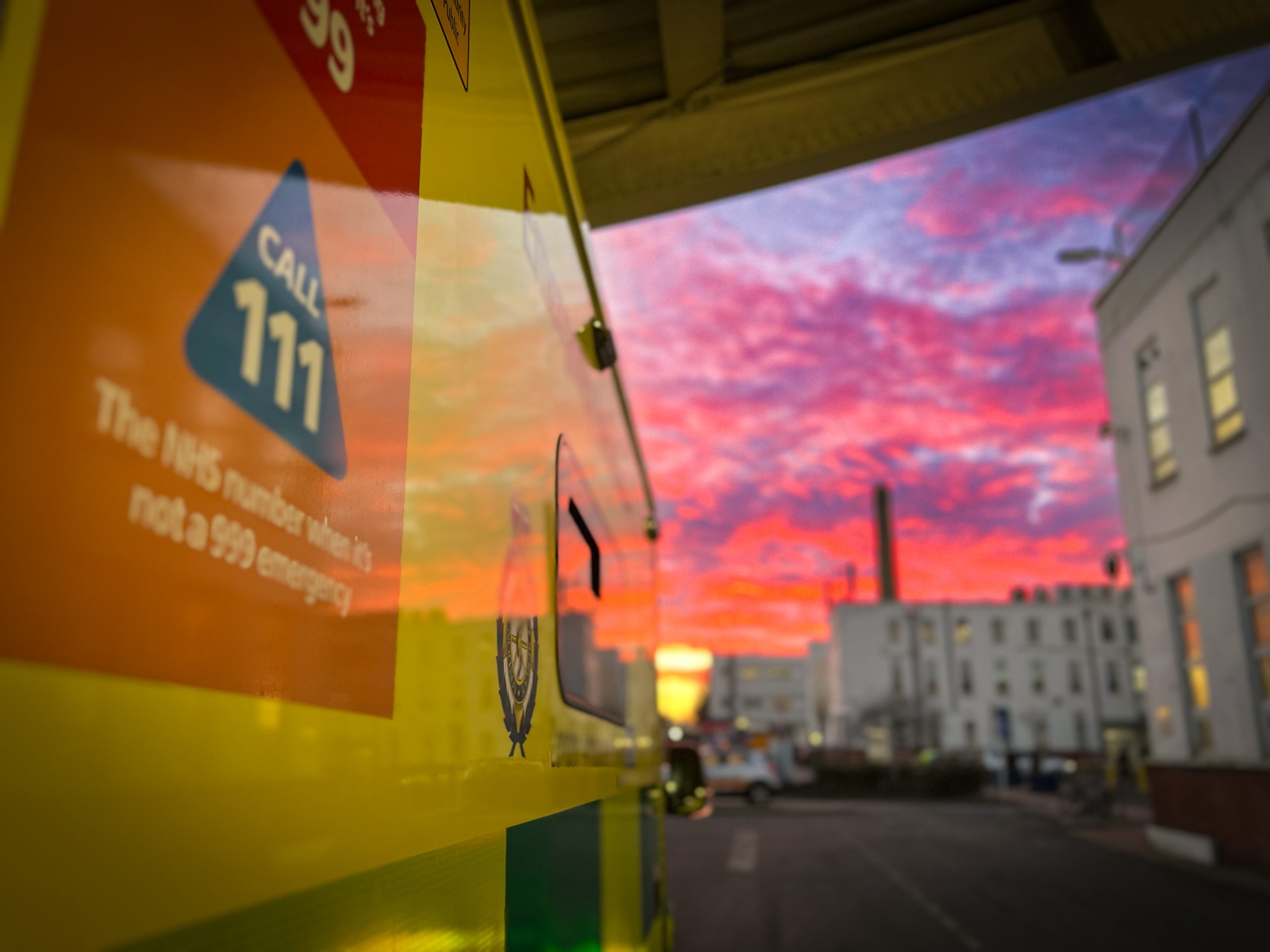
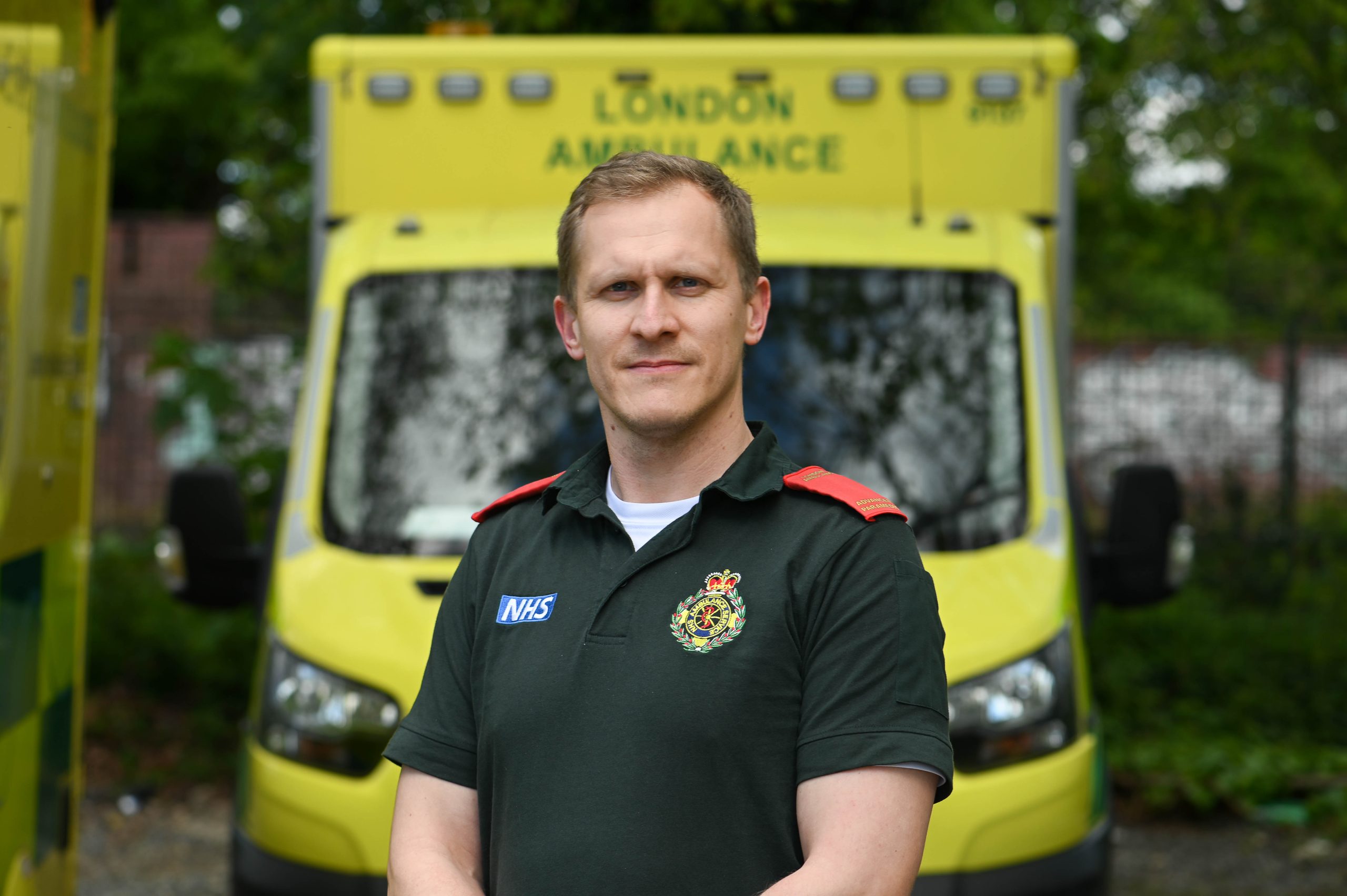
Advanced Paramedic Junaid on his role in critical care
Trauma
Trauma happens when your body suffers from a physical injury, but it is not as serious as major trauma.
Some examples of trauma include a minor head injury or a fractured wrist, ankle or hip.
If you are suffering from trauma our clinicians will take you to your local trauma centre, which will most likely be your local A&E department.