Cardiac arrest
A cardiac arrest occurs when the heart stops pumping blood around the body, and can be a result of heart attack, choking or trauma.
If someone is suffering from either of these conditions you need to call 999 for an ambulance immediately.
We have worked hard to raise awareness of the signs of cardiac arrest, and we provide basic life-support training courses.
As a result, the number of people surviving cardiac arrest has risen significantly over the past few years, but more can still be done.
Learn to recognise the signs of a heart attack or cardiac arrest and the action you can take, and you may be able to save someone’s life.
How to help a person in cardiac arrest
When someone suffers a cardiac arrest, their heart stops beating.
This means blood is no longer being pumped around their body and they are clinically dead.
The longer they go without what is known as emergency life-support, the harder it is to restart their heart. For every minute emergency life support is delayed their chances of recovery dramatically reduce.
Anyone can save a life – even as a passer-by in the street. When a person is in cardiac arrest it is vital they receive prompt intervention even if you have not had formal training.
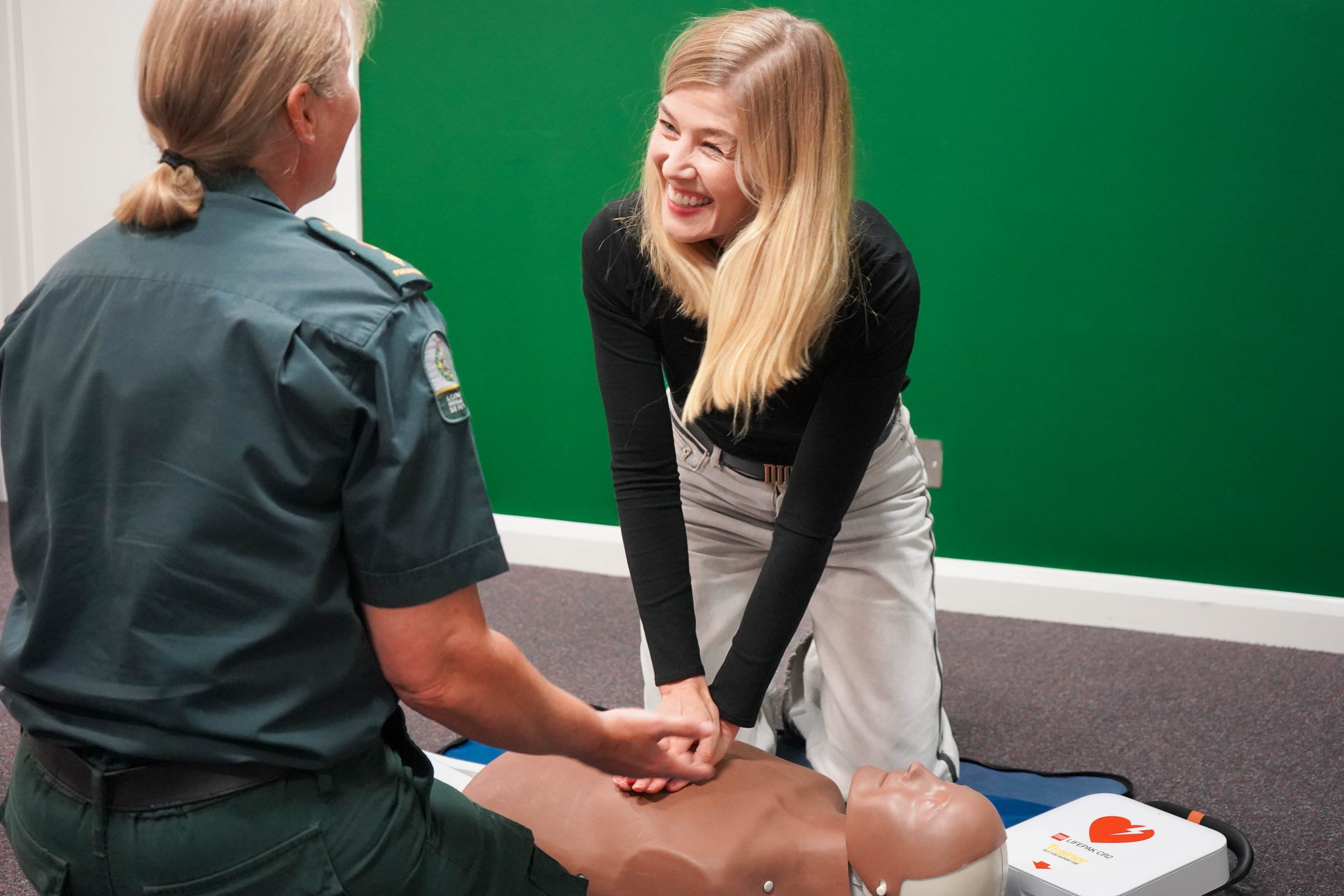
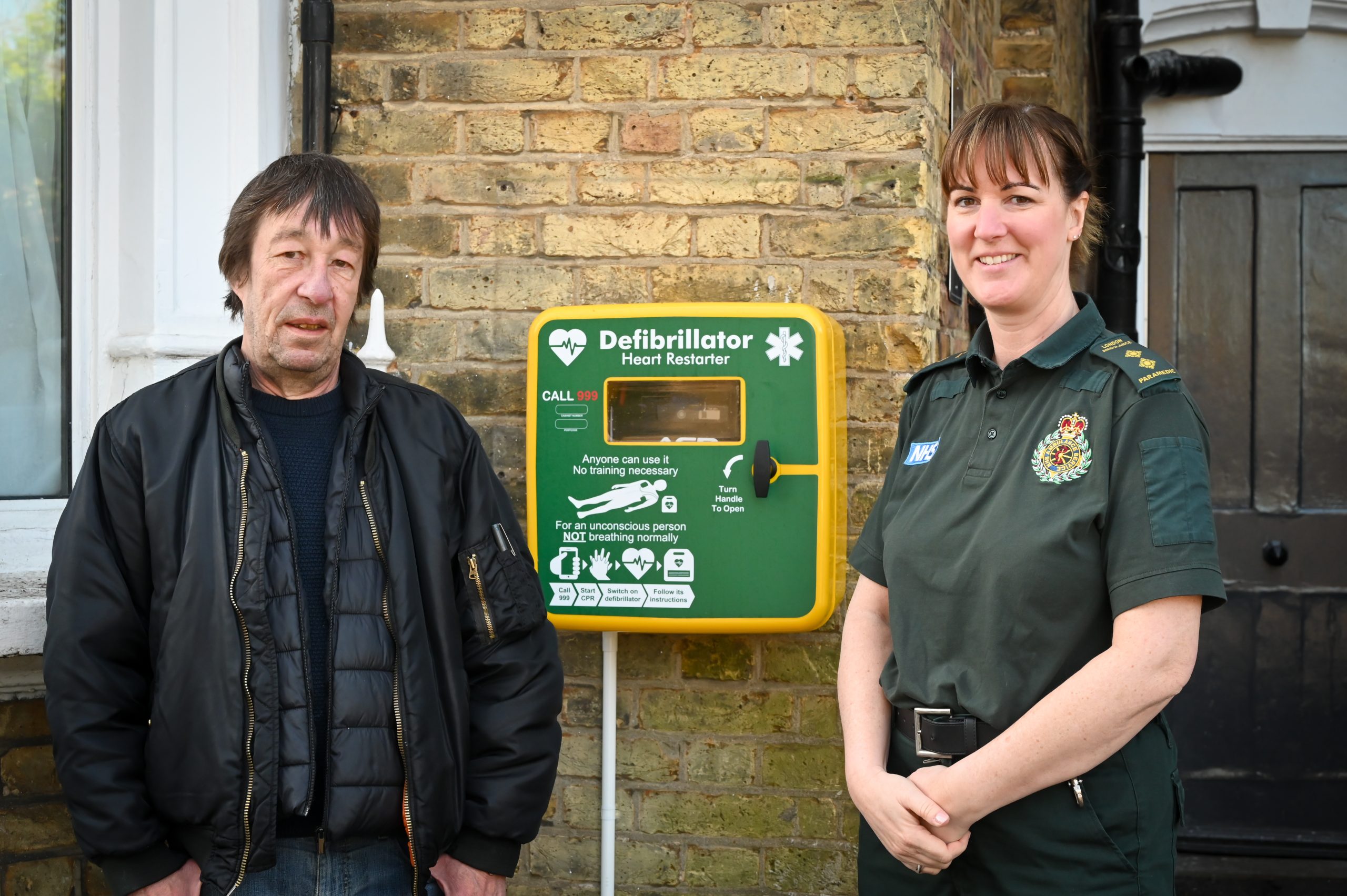
This intervention is: calling 999 immediately, starting chest compressions if it is safe to do so and sending someone to get a defibrillator if one is nearby.
Chest compressions pump blood around the body but it’s also really important to use a defibrillator if one is available to you.
Chest compressions aim to continue to supply oxygen to the brain and other vital organs, while the heart is not beating. A defibrillator will attempt to allow the heart to restart.
By using a defibrillator you cannot make the situation any worse.
Defibrillators only provide a ‘shock’ to a person who needs one.