Skip to content

When to call 999

999 is for life-threatening emergencies like serious road traffic accidents, strokes and heart attacks. 

Getting urgent medical help quickly 

Use NHS 111 if you think you need urgent medical help and you are not sure whether to call 999.  

NHS 111 can also check your symptoms and tell you what to do next.  

NHS 111 can dispatch an ambulance if their clinical assessment determines you need one. 

Use 111 Online, call 111, or use the NHS App to get started.  

Use NHS 111

Use NHS 111 if you are unsure what to do next.

You should only call 999 if it's a life-threatening emergency.

Examples of when to call 999

  • chest pain 
  • difficulty in breathing 
  • unconsciousness 
  • severe loss of blood 
  • severe burns or scalds 
  • choking 
  • fitting or concussion 
  • drowning 
  • severe allergic reactions 

Calling 999 does not always mean an ambulance will be sent. 

You might be told it’s safe for you to make your own way to A&E, or to be seen elsewhere. 

What happens when you call 999

When you call 999, an operator will ask you which emergency service you need.  

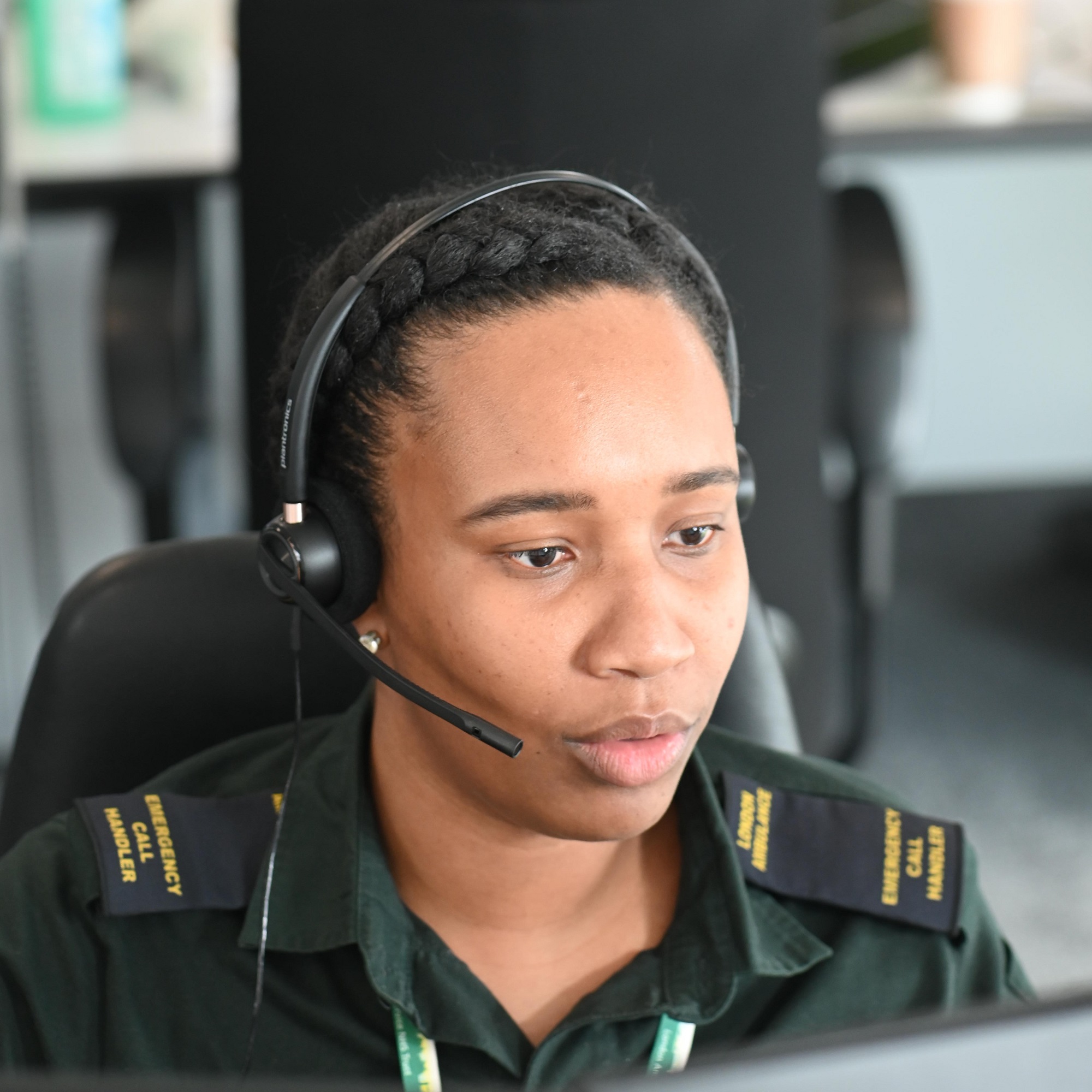
In a medical emergency, ask for the ambulance service and you will be put through to one of our emergency call handlers. 

Calling 999 in an emergency can be stressful, so it’s good to know what to expect.

What happens when you call 999

How to call 999 

You can call an ambulance by using 999 or 112. 

If you are deaf, hard of hearing or speech-impaired you can contact us by texting from your mobile. To use the text service, you must register your mobile phone on the emergencySMS website. 

You can also use the BSL 999 App for a video call. 

Learn how to make a 999 call by video

youtube.com has been blocked due to your cookie preferences, you can change those by clicking on the cookie button on any page.

Support with calling 999 if English is not your first language  

If English is not your first language, you can still call 999. 

Interpreters are available over the phone in multiple languages and can support you in getting the help you need. Please let the call handler know which language you require. This will not delay your care. It will help ensure you receive the best possible outcome for your concern.  

Access translated leaflets 

Cookie Settings