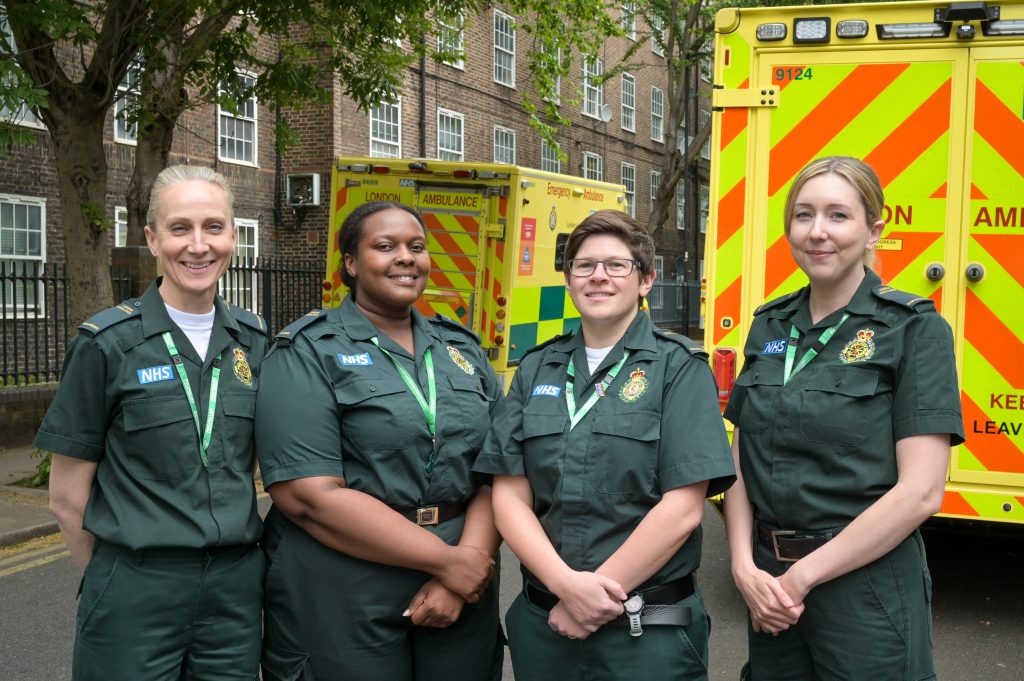
The team was formed in 2018 from a partnership with the charity Macmillan Cancer Support.
The partnership was developed to provide our staff and volunteers with specialist training so that terminally ill people can get the care that meets their needs and respects their wishes.
Defining ‘palliative care’ and ‘end of life care’
Palliative care refers to the approach healthcare professionals will take when someone has been diagnosed with a condition that is not curable. The care is based on any physical, psychological, social or religious needs that the person might have. The care can be provided by a specialist team or by a community team led by the GP.
End of life care is when the person is likely to be entering the last 12 months of life. This is determined by a change in the needs a person might have. They will show signs of deterioration, which will vary according to the person and the condition.
This is an ideal time to consider any future care needs (often called advance and future care planning – see below) if this has not already been addressed.
How we educate and support our crews
Our EoLC team provides training to ambulance clinicians, including paramedics, and other staff so they can best support patients who are near the end of their life. This can help avoid unnecessary trips to the hospital which can be distressing to the patient and their family.
They also provide additional training to help clinicians fulfil patients’ wishes – where appropriate and safe to do so – about treatment and other key decisions.