London Ambulance Service experienced its busiest summer on record this year, responding to the highest number of 999 calls and seriously ill patients.
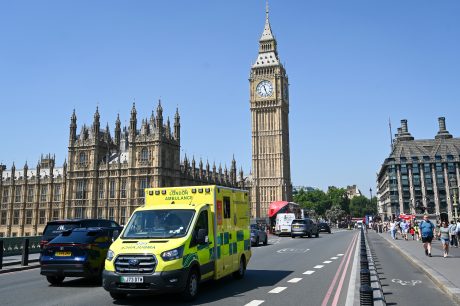
From June to August, the Service responded to 599,300 999 calls, a 2.3 per cent increase on the previous record set in 2021, when the covid-19 pandemic was still gripping the UK.
A new summer record was also set for Category 1 incidents, which involve the most seriously ill patients, including people in cardiac arrest or who have stopped breathing. The Service responded to 44,578 of these incidents, a 7.2 per cent increase on the previous summer.
Jason Killens KAM, Chief Executive of London Ambulance Service, said:
“This has been a record-breaking summer for both the UK and London Ambulance Service. As the capital sweltered, our colleagues across the organisation worked tirelessly to respond to more 999 calls and Category 1 incidents than during any previous summer.
“The extreme heat placed additional pressure on our services, but thanks to the extra resources and planning we put in place, we were ready to support those affected.
“I would like to thank all of our people for their incredible efforts over the past three months. Their professionalism, dedication and resilience have helped keep Londoners safe throughout a challenging summer.”
Medical conditions exacerbated by high temperatures featured prominently among the top 10 chief complaints during the summer months. The most common health issue attended by the Service was breathing problems, accounting for 29,608 incidents, 27 per cent higher than the five-year summer average. Chest pain and discomfort was the third most common complaint, while fainting ranked fifth. All these conditions can be associated with heat exposure.
The Service also responded to 300 heat exposure incidents between June and August, a 217 per cent increase on the five-year summer average.
The Mayor of London, Sadiq Khan, said:
“On behalf of all Londoners, I want to extend my thanks to London Ambulance Service for their heroic work around the clock in a summer unlike any other. The demand has been relentless, and paramedics and crews have been there for Londoners when they needed them most.
“We’ve been working with emergency services and other partners to ensure our city is ready to deal with extreme heat, wildfires and this increasing demand on vital services, and this summer published the capital’s first ever heat plan in partnership with London Councils. Our Heat Ready London Plan sets out a long-term roadmap for adapting to increasing heat risk over the coming decades and getting all partners to work closer together to meet new challenges and build a safer and more resilient London for all.”
Extra resources were put in place to keep Londoners safe during periods of intense heat, including 600 extra ambulance crews during the June heatwave. The Service also worked with hospitals across London to speed up ambulance handovers and get crews back in the community responding to emergencies.
Karin Smyth, Minister of Health for Secondary Care said:
“This summer put record demand on the NHS. Thanks to the incredible work of staff across the health service, including at the London Ambulance Service, more than three quarters of patients were seen within four hours in A&E last month, despite these unprecedented pressures.
“As our climate changes, it’s clear the NHS now needs to plan and prepare for summer pressures in the same way it does for winter. London Ambulance Service is leading the way, learning from this season to manage future summers even more effectively”.
Chief Operating Officer Craig Harman said:
“London’s climate is getting hotter, so we knew we had to prepare for a potentially record-breaking summer. Plans were put in place to ensure we could respond effectively to periods of prolonged heat in the capital.
“We put more ambulance crews on the road during the hottest parts of the summer. We also worked closely with hospitals across London to help ensure patient handovers were completed as quickly as possible, allowing our paramedics to get back on the road and respond to Londoners in need.
“The past three months have been a vital learning opportunity. We are now in a stronger position to plan for future summers and protect Londoners from the effects of extreme heat.”