A London Ambulance Service paramedic has spoken about the lasting impact of being sexually assaulted by patients while trying to help them.
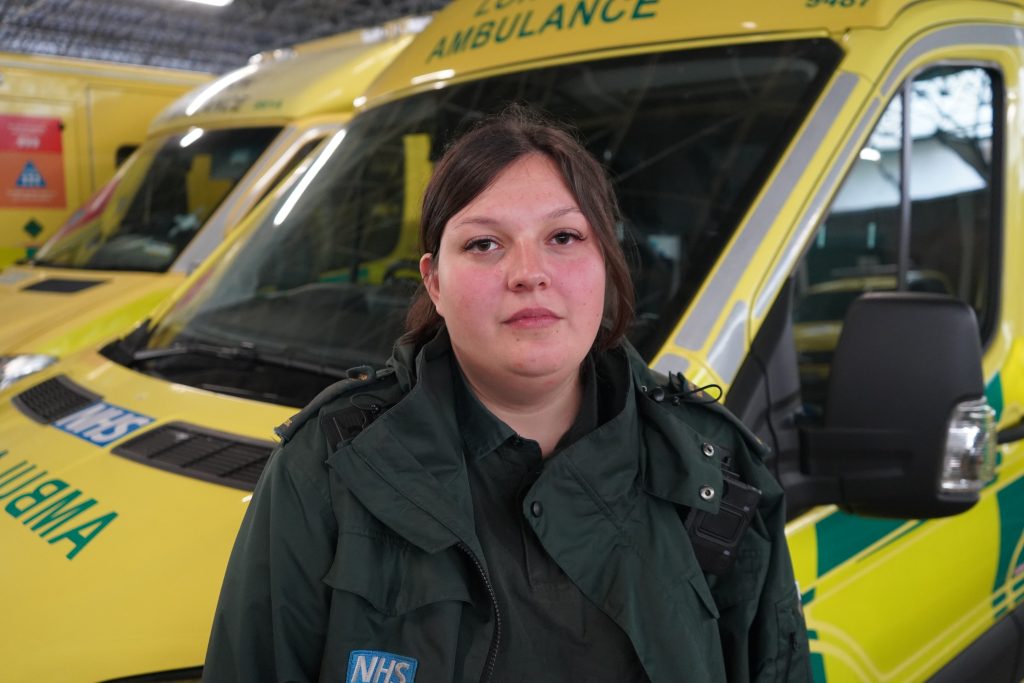
Lauren Gunyon, 28, has been physically attacked, sexually assaulted and threatened while on duty.
She is among the growing number of ambulance crews and call handlers experiencing sexual harassment, threats and violence from patients and members of the public.
“I feel really distressed by what happened. I don’t do my job to be hit or touched by patients against my wishes. I do my job to help people.”
London Ambulance Service has launched the latest phase of its Respect campaign, reminding the public that abuse is not part of the job after 462 incidents of sexual abuse were reported in the 12 months from July 2025 to July 2026.
Incidents included sexual threats, groping, indecent exposure, explicit comments and sexual violence.
In the latest NHS Staff Survey, almost two-thirds of women working on ambulances said they had experienced unwanted sexual behaviour from patients, relatives or members of the public in the previous 12 months.
‘The impact stays with you’
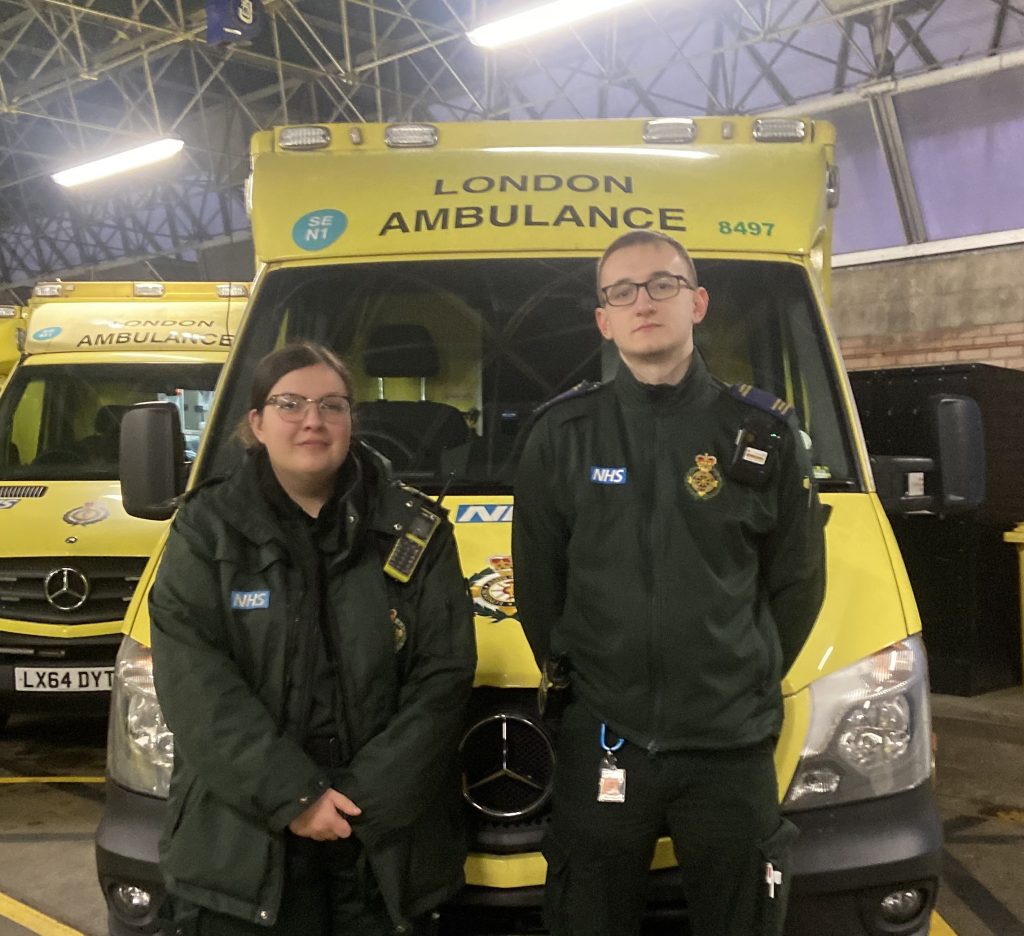
In a particularly distressing incident, Lauren was responding to a patient with her crewmate James Gordon when the man’s behaviour suddenly changed.
She said: “When we got there, he was very nice, so I felt very safe.
“He started trying to punch me and then he started touching my breasts and trying to grab my bottom.”
Members of the public tried to intervene before James returned from fetching equipment from the ambulance and shouted at the patient to stop.
But the man then groped James too, grabbing his bottom with such force that he broke the skin.
James said: “The assault may last seconds, but the psychological impact can last long after the incident.”
It has also had a lasting impact on Lauren, leaving her more cautious at work and constantly alert to potential danger.
She added: “I love my job. We come to work because we want to help people, and it’s incredibly rewarding to be able to make a difference. But you shouldn’t have to accept being assaulted or abused as part of doing that job.”
Waiting for justice
The assault was not the end of the ordeal. Almost 18 months passed before the case reached court, prolonging an already distressing experience for Lauren and James as they waited for justice.
They were then told the sexual assault charges had been dropped and the case was instead dealt with as assault. The man pleaded guilty but received a suspended sentence and avoided jail.
For Lauren and James, the outcome was another blow.
Lauren said: “We just felt it wasn’t taken seriously. We were surprised at how little punishment he got – especially as these things change you.”
James added: “It’s difficult to feel protected by a system that doesn’t always make you feel that your safety matters.”
Meanwhile, Lauren is waiting to hear whether a patient who attacked her earlier this year will be charged.
During the incident, the man performed a sexual act in the ambulance and made sexually aggressive comments before physically attacking Lauren, leaving her with injuries to her ribs and arms.
‘We want justice for our people’
Almost a third of reported incidents of sexual abuse involved 999 call handlers and 111 health advisors who were targeted by callers.
Jason Killens KAM, Chief Executive of London Ambulance Service, said: “No one should face this disgusting behaviour at work and yet it happens to our people every day.
“On top of the hurt and harm it causes, it can prevent us from caring for patients who need our help.
“We want justice for our people. Those who assault ambulance workers should face consequences that reflect the seriousness of their actions. Sentences should be strong enough to act as a deterrent and make clear that abuse won’t be tolerated.
“We will continue to work with our partners, including the police and the courts, to ensure these offences are taken seriously and that all available legislation is used to secure appropriate sentences. Our people deserve to know that their safety is a priority as they go about their work helping others.”
London Ambulance Service was the first ambulance trust in the UK to introduce a dedicated Violence Reduction Unit. The team supports colleagues from the moment an incident is reported, helps to collate evidence and liaises with police and
prosecutors as cases progress.
Ambulances are fitted with CCTV and audio recording equipment and crews can wear body-worn cameras, which can provide crucial evidence when offences are investigated.