Skip to content

The Core Deliverables at the NHS Resilience Emergency Capabilities Unit

The core objectives refer to the overall approach to the work undertaken in the ECU. They have however, been broken down into the following deliverables to provide an achievable and realistic way of measuring progress each year. For more detail on what is included, please see the deliverables below.

Core Deliverables 2026 / 27

This year,  NHS England has commissioned the ECU to deliver the following outputs in the 2026 / 27 financial year:
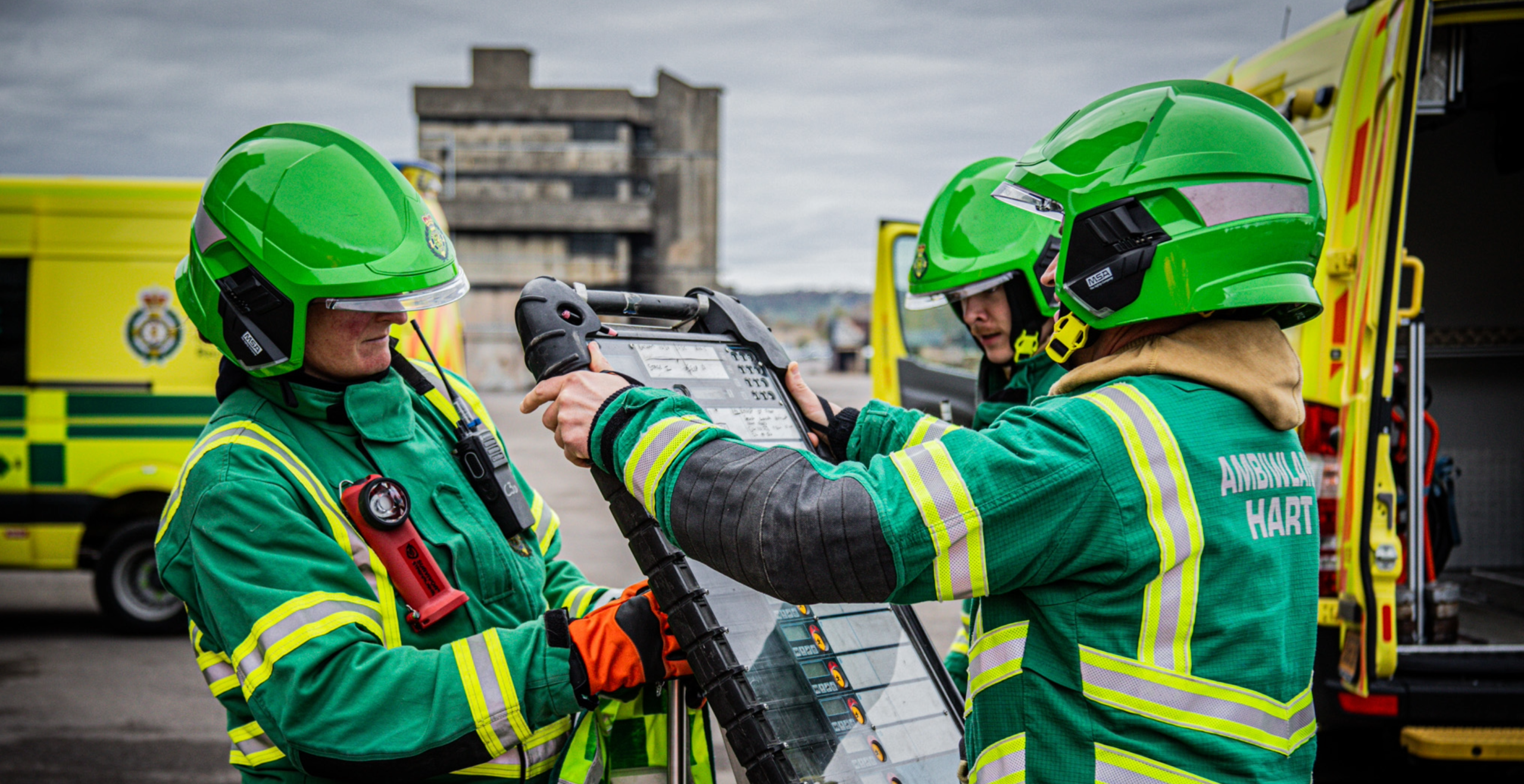
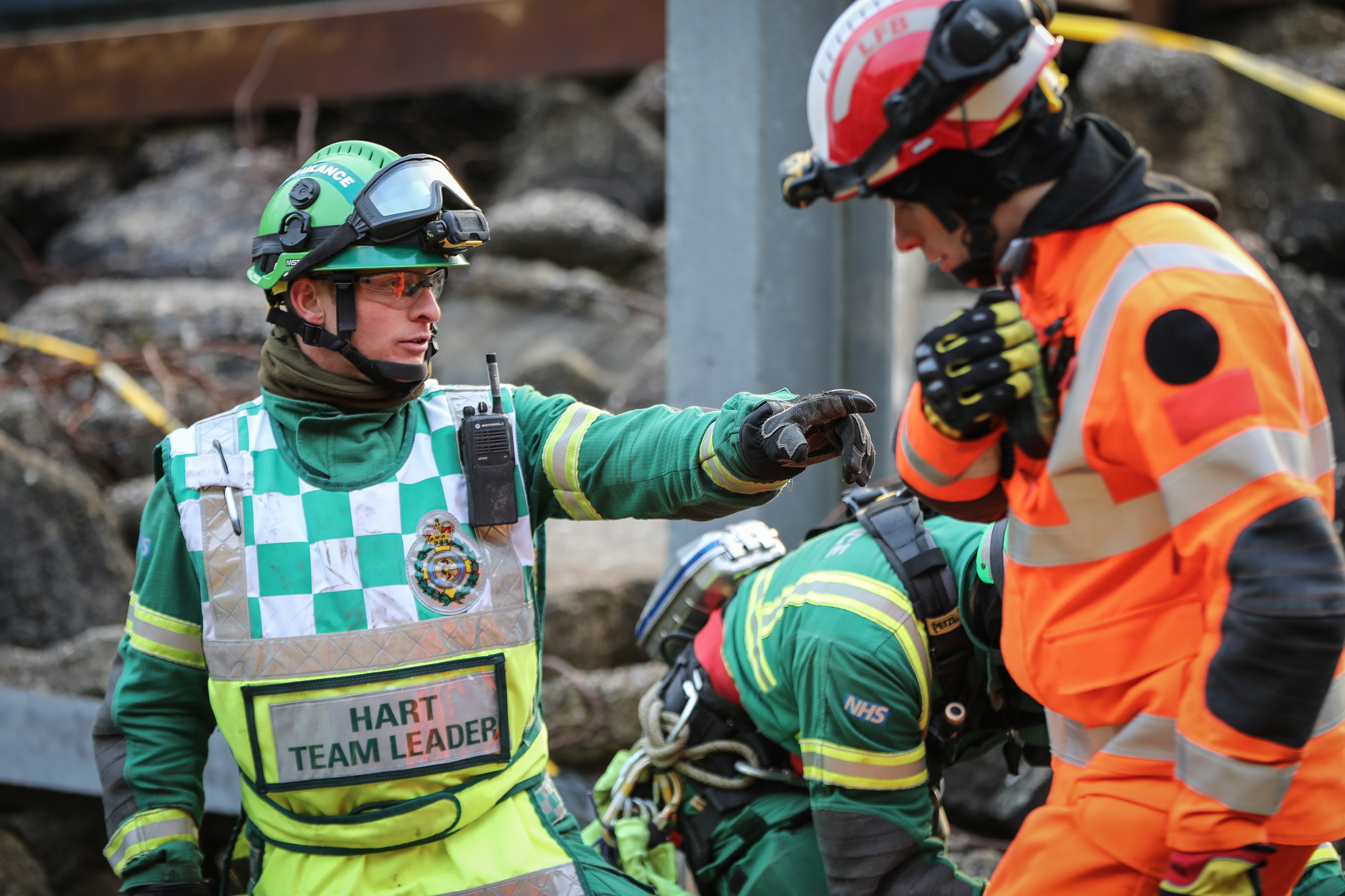
  • Support the delivery of the NHS Clinical Response to Major Incidents (CRMI) programme through the development of multi-agency Casualty Management Models linked to the National Risk Register.

  • Develop NHS Capability Codes of Practice for defined prehospital emergency capabilities (CBRN, HCID, MTA, Conventional Rescue, Command and Mass Casualties).  These codes to consolidate standards, guidance, safe system of work into a single set of national professional expectations.

  • Undertake a strategic review of each pre-hospital emergency capability in line with the developing casualty management models.  Include within the strategic review national level improvements linked to the Manchester Arena Public Inquiry Recommendations 105 and 106.  Produce a national capping report with thematic analysis and consolidated proposals for reconfiguration, efficiencies and improvements.

  • Monitor the state of readiness for the defined pre-hospital emergency capabilities including the provision of quarterly readiness reports to senior policy leads.  This must also include the effective identification and implementation of key learning from inquires, inquests, exercises and incidents.

  • Develop and maintain a comprehensive national curriculum of education for the defined pre-hospital emergency capabilities.  This should clearly delineate training activity to be delivered at the local, regional and national levels.  As well as the national delivery of high-fidelity training, this should include support for the delivery of training at the local and regional level through training materials and a quality assurance programme.  These aspects to be further developed through a national education strategy to be developed and agreed during this work programme cycle.  This also includes coordination of national level exercises relating to the defined emergency capabilities.

  • Facilitate close and effective working across the English NHS Ambulance Sector.  Ensure that the key outputs of the ECU are endorsed and approved by the Ambulance Trusts via the National Capabilities Group and Technical Advisory Group mechanisms.  This will also include clear and transparent mechanisms for interoperable capability changes and managing safety issues.

  • The ECU is to link with key stakeholders at the national level to support effective joint working and interoperability. This will include close working with equivalent national police, fire, coastguard, armed forces and voluntary responder groups through the various national meetings and forums. Also acting as the NHS lead for pre-hospital casualty management for JESIPs national programme. To that end, the ECU will maintain a register of the national meetings its attends which will be available to NHS England and stakeholders on request.

  • The ECU is to support NHS England to coordinate the defined pre-hospital emergency capabilities at the national level during complex emergencies.  This includes maintaining on-call subject matter experts, effective reporting mechanisms between the Ambulance Sector and national decision makers, and maintaining a national reserve of specialist logistics to support the emergency capabilities.

Cookie Settings