Skip to content

Clinical telephone assessment after calling 999

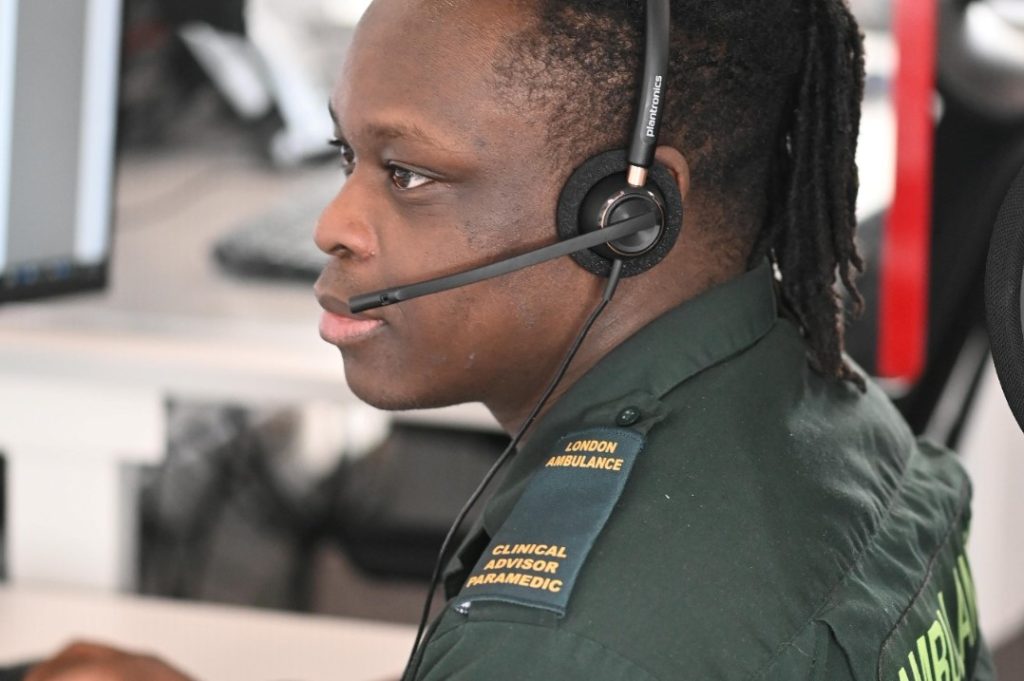
Our clinicians in the clinical hub provide patients with a detailed telephone assessment during which they can give medical advice, guide them to a service in their community, like a GP.

When you call 999, the first person you speak to will ask questions to understand what has happened and how serious the situation is. 

In some cases, the information you provide shows that an ambulance may not be the best or fastest way to get you the right help. When this happens, your call may be passed to a clinician in our Clinical Hub for a more detailed telephone assessment. 

This does not mean your call is not important. It means we want to make sure you receive the right care, in the right place, at the right time. 

Our Clinical Hub team have answered some of your questions below.
Frequently Asked Questions about our Clinical Hub

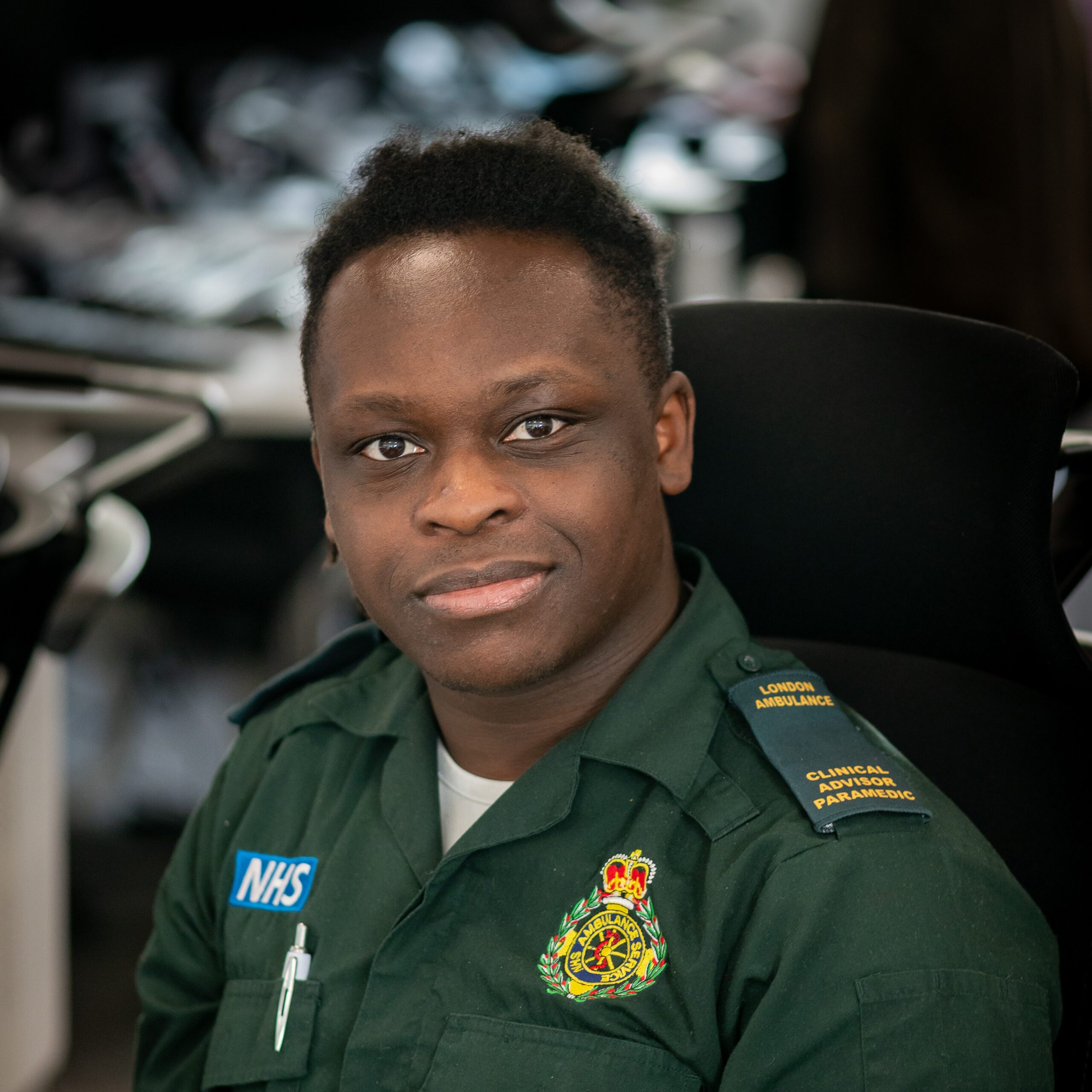
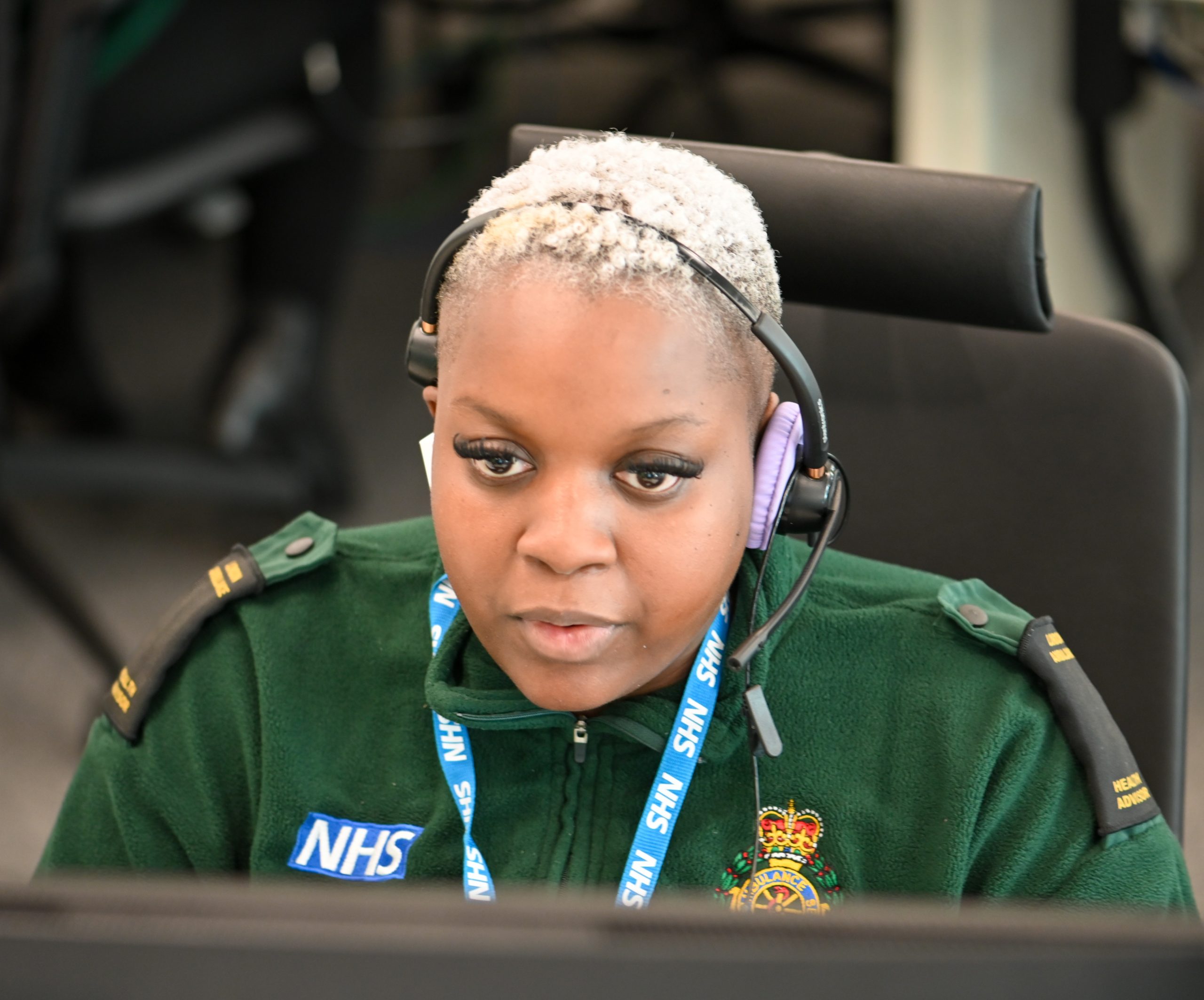
  • If your call is passed to the Clinical Hub, it will be an experienced clinician who calls you to further assess your symptoms. This could be a paramedic, nurse, doctor or other clinician with experience in urgent and emergency care. 

    They are trained to safely assess you over the phone, give clinical advice and arrange further help when needed. 

  • The clinician will ask further questions about: 

    • What has happened 
    • Your current symptoms 
    • Whether your symptoms are getting better, worse or staying the same 
    • Your medical history 
    • Any medicines you take 
    • Whether you are alone or have someone with you 
    • What help you may already have tried 

    Please answer as clearly as you can. This helps the clinician make the safest decision for you. If English is not your first language, we will arrange an interpreter to help you. 

  • After speaking with you, the clinician may: 

    • Give you advice on how to manage your symptoms at home 
    • Advise you to contact your GP, pharmacist or another NHS service 
    • Refer you to a more appropriate urgent care service 
    • Arrange support from a local community or specialist service (e.g. Mental Health team, Urgent Community Response) 
    • Advise you to attend an emergency department or urgent treatment centre 
    • Arrange an ambulance response if your condition needs one 

    If the clinician decides you need an ambulance, they will arrange this based on your clinical need. 

  • Ambulances are for people who are seriously ill, injured, or whose life may be at risk. Some patients who call 999 can be safely assessed by a clinician over the phone and helped without needing an ambulance. 

    This can often mean you receive more appropriate advice or care, while helping us keep ambulances available for patients with the most serious emergencies. 

  • Please follow these steps.


    • Keep your phone nearby 
    • Make sure your phone is not on silent 
    • Answer calls from withheld or unknown numbers 
    • Stay with the patient if you are calling on someone else’s behalf 
    • Call 999 again immediately if the patient gets worse or has recovered and you wish to cancel us 

    Please help us keep the 999 lines free by not calling us to ask how long you may need to wait.  

  • If you miss the call, we may try to contact you again. If the patient’s condition has changed or you remain seriously concerned, call 999 again. 

  • No. A clinician can still arrange an ambulance if, after assessment, they believe that is the right response for your condition. 

    The purpose of the call is to make sure you get the safest and most appropriate care. 

  • If you need urgent medical help but it is not a life-threatening emergency, NHS 111 can help you understand what to do next. You can use 111 online, through the NHS App, or call 111.  

    Call 999 if someone is seriously ill or injured and their life may be at risk. 

Cookie Settings